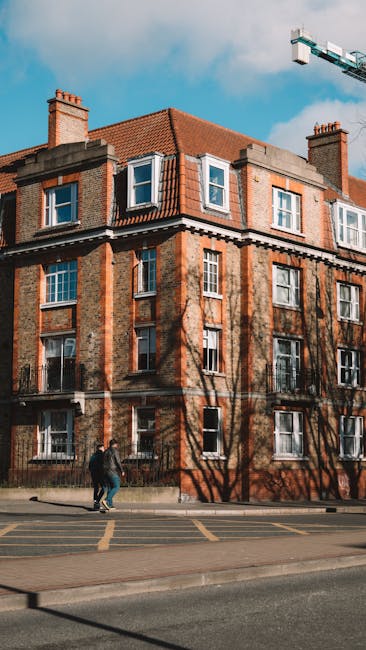
SW16 Removals Tips for Flats on Streatham High Road
Moving out of a flat on Streatham High Road sounds straightforward until you're standing in a hallway with a sofa that turns out to be just a bit too wide for the stairwell. If you live in SW16, you'll already know that flat moves often come with awkward turns, busy pavement space, shared entrances, and neighbours who definitely do not want a blocked landing at 8am. These SW16 removals tips for flats on Streatham High Road are designed to make the whole thing calmer, quicker, and far less chaotic.
Whether you're leaving a compact studio above the shops, a period conversion, or a modern apartment block, the key is preparation. Good flat removals are rarely about brute force. They're about timing, access, packing, and knowing which details matter before moving day gets messy. Below, you'll find a practical guide that covers what to expect, how to plan, where people go wrong, and how to move with less stress and fewer surprises.
Expert summary: the smoothest flat moves on Streatham High Road are usually the ones where access is checked early, packing starts sooner than you think, and the moving team knows exactly what they are walking into before the van arrives.
Why SW16 removals tips for flats on Streatham High Road Matters
Flat removals are a different beast from house moves. On Streatham High Road, you're often dealing with a mix of traffic, pedestrians, time pressure, and buildings that were not exactly designed with modern furniture in mind. One wrong assumption - such as thinking a parking space will magically appear outside the door - can ripple through the whole day.
That is why these tips matter. They help you avoid the common bottlenecks that turn a simple move into an all-day struggle. In practical terms, the right preparation can reduce lifting time, protect your belongings, and keep the move from disturbing neighbours or building management more than necessary. And let's face it, nobody wants to be "that move" everyone on the staircase remembers.
It also matters because flat moves tend to involve multiple small decisions that add up quickly: do you need a man and van setup or a larger vehicle, should you book help with packing and boxes, and will you need short-term storage between homes? If you answer those questions early, the rest becomes much easier.
How SW16 removals tips for flats on Streatham High Road Works
A successful flat move usually follows a simple pattern: assess the access, plan the load, pack by priority, and move in stages. The detail is where people either save time or lose it. On a road like Streatham High Road, the smallest practical issue can become the biggest one if it is ignored until moving day.
First, check the route from your flat to the vehicle. That means stairs, lifts, narrow corridors, door swings, entry codes, and whether bulky items can be brought out without removing a lamp, a handrail, or half the hallway decor. If you are on an upper floor, the loading plan matters even more. The fewer times something has to be lifted, rotated, or re-wrapped, the better.
Second, think about vehicle access. Some flats are easy to reach at off-peak times, but much harder when traffic is heavy or parking is tight. A move that looks fine on paper can feel very different at 2pm on a busy weekday. This is why many people choose to arrange removal services with the access details spelled out clearly in advance. It saves a lot of back-and-forth later.
Third, organise the packing in layers. Start with rarely used items, then move to decorative pieces, then clothes, kitchen gear, and finally daily essentials. If you pack in the wrong order, you end up living out of boxes too soon. Which, to be fair, is never anyone's dream.
Key Benefits and Practical Advantages
Good preparation does more than reduce stress. It gives you control, and that is often the real difference on moving day.
- Less disruption: fewer trips, less standing around, and less chance of blocking common areas for longer than necessary.
- Better protection: careful wrapping and organised loading reduce bumps, scratches, and awkward last-minute squeezing.
- Faster completion: a clearly packed flat is easier to clear, especially if the route to the van is tight.
- Lower anxiety: when boxes are labelled and essentials are separate, you can breathe a bit easier.
- Smarter budgeting: less wasted time usually means less wasted money, particularly where labour time is involved.
Another practical benefit is that you can match the moving method to your actual needs. A small flat with a modest amount of furniture may be perfectly suited to a removal van or a flexible man with a van arrangement. A larger two-bedroom flat with bulky items may need a bigger vehicle or a more structured team. The point is simple: the right fit beats the biggest option.
Useful takeaway: the best flat removals are usually not the most dramatic ones. They are the most organised ones.
Who This Is For and When It Makes Sense
These tips are useful for anyone moving out of a flat on or near Streatham High Road, but they are especially relevant if you live in a building with shared access, limited storage, or busy street frontage. If you have ever tried to move a bed frame down a narrow stairwell while someone's delivery van is waiting outside, you already know why.
This guidance makes sense for:
- tenants moving between rental flats
- first-time movers who need a clearer plan
- students relocating with lighter loads and tighter budgets
- families leaving a flat for a house
- people downsizing and needing to sort keep, donate, or store items
- anyone facing a same-day handover and move-out deadline
It is also helpful if you are comparing full moving support with a lighter setup. Some people prefer a fuller service model with loading, transport, and unpacking help through packing and unpacking services. Others only need transport and a couple of strong arms. There is no one correct answer, only the one that suits your timeline, furniture, and budget.
Step-by-Step Guidance
1. Survey the flat properly
Walk through every room and look at what actually needs moving. Not what you think needs moving. The dusty exercise bike in the corner counts too. Measure the larger items and note anything awkward like glass tops, mirror-front wardrobes, or antique pieces with fragile legs.
2. Check access from door to van
Measure stairwells, narrow landings, lift dimensions, and door frames. If you are in a building with entry codes or a porter, confirm the process early. One forgotten code can throw off the entire schedule. It's a small thing, until it isn't.
3. Book the right kind of help
For a compact flat, a flexible moving team may be enough. For larger loads, or if you have lots of furniture, compare options carefully. Reading about flat removals can help you understand what is usually included and what kind of move it suits best.
4. Declutter before you pack
Do not pay to move things you don't want. That old lamp with the wonky shade? Be honest about it. Sort items into keep, donate, recycle, and dispose. If you have furniture that is no longer needed, consider arranging furniture pick up or proper disposal support rather than leaving it to the last minute.
5. Pack by room and priority
Use a sensible order: non-essentials first, daily items last. Label boxes clearly with room names and a brief contents list. Keep cables, chargers, screws, and small fittings in sealed bags taped to the relevant item or box.
6. Prepare an essentials bag
This should include ID, keys, wallet, medication, kettle tea, charger, toilet roll, a snack or two, and anything you need for the first night. People laugh at the kettle item until the evening arrives and nobody wants to rummage through ten boxes for one mug.
7. Confirm timing and access with everyone involved
Let your building manager, neighbours, landlord, or agent know the move date if needed. On busy streets, a clear time window matters. If there are lift booking rules or loading restrictions, make sure they are understood well ahead of time.
8. Load in the right order
Heavy, sturdy items go in first. Fragile items and essentials go in last or where they will not be crushed. A skilled crew will also think about balance in the van, which is one of those boring details that saves a lot of trouble later.
9. Do a final flat check
Open cupboards, look behind doors, check the utility room, and inspect windowsills and bathroom shelves. It is surprisingly easy to leave a plug adapter, important document, or second set of house keys in a drawer.
Expert Tips for Better Results
Here is where a few small habits can make a big difference.
- Use colour coding. A coloured sticker for each room speeds up unloading and avoids confusion when everything starts looking like identical cardboard.
- Protect surfaces early. Put down blankets or protective coverings before heavy furniture comes through. A tiny scratch on a painted wall can become weirdly annoying.
- Keep fittings together. Screws, bolts, Allen keys, shelves, and remote controls should all be bagged and labelled. Separately. Always separately.
- Photo-document tricky items. Take pictures of cable setups, assembled furniture, and any pre-existing marks. It helps with reassembly and gives you a clear record.
- Move valuables yourself. Passports, jewellery, sentimental items, and personal paperwork are usually best kept with you.
If your move includes fragile or high-value items, it may be worth checking the company's approach to insurance and safety before booking. That does not mean expecting disaster. It just means being sensible, which is never a bad thing.
One more thing: do not underestimate the power of a clean route. A hallway cleared the night before can save more time than buying another roll of tape.
Common Mistakes to Avoid
Some mistakes show up again and again in flat moves around SW16. The good news is they are avoidable.
- Leaving packing too late: last-minute packing nearly always leads to poor labelling and forgotten items.
- Ignoring access restrictions: stairs, lifts, and parking can all slow things down if you only think about them on the morning.
- Underestimating box weight: books, cans, and kitchenware get heavy fast. Very fast.
- Not measuring furniture: sofas and wardrobes do not magically get smaller in the doorway.
- Forgetting disposal needs: old furniture and unwanted items need a plan, not a shrug.
- Not budgeting for storage: if dates do not line up perfectly, short-term storage can be the difference between chaos and control.
Another surprisingly common issue is trying to do everything alone. Sure, it sounds economical. But if you are carrying three boxes, a lamp, and a slightly evil-looking plant at once, the savings can disappear in a second. Sometimes the clever move is admitting you need a bit of help.
Tools, Resources and Recommendations
You do not need fancy equipment to move well, but the right basics help a lot.
- Strong cardboard boxes: choose a few different sizes rather than only one type.
- Heavy-duty tape: flimsy tape is a false economy.
- Marker pens: clear handwriting beats guessing later.
- Protective wrap or blankets: useful for tables, mirrors, and awkward corners.
- Furniture sliders or straps: helpful for manoeuvring heavier pieces safely.
For many flat moves, it also helps to look at the broader range of support available. If you need a straightforward moving service, removal services are a sensible starting point. If your flat move involves a tight timeline, you may want to explore same day removals as a backup option, although availability can vary and should always be checked early.
If you are moving between properties and need a holding space for a week or two, short-term storage can reduce pressure. That can be especially helpful if completion dates shift. Happens more than people like to admit.
Law, Compliance, Standards, or Best Practice
For flat removals in London, a lot of the important guidance is practical rather than dramatic. You usually do not need to overcomplicate it, but you should still take building rules, parking restrictions, and safe lifting seriously. If you live in a managed block, check any move-in or move-out procedures set by the landlord, managing agent, or building team. Some buildings require lift booking, padded protection, or advance notice for larger items.
Best practice also means respecting shared spaces. Corridors, entrances, and stairwells should be kept clear as much as possible. If the move is likely to take a while, it is courteous to brief neighbours and keep noise down where you can. A little consideration goes a long way in blocks of flats.
On the safety side, proper manual handling matters. That means not twisting awkwardly with a heavy load, not rushing when the stairs are tight, and not pretending one person can safely carry everything. No hero points for back pain later. Reputable teams should also have clear safety procedures, so it is sensible to ask about their working methods before moving day.
Payment and booking terms matter too. If you are comparing providers, look at pricing and quotes, and read the terms and conditions so you understand what is included, what might change the price, and how cancellations or timing changes are handled. If you want reassurance around the business itself, the about us page is also useful context.
Options, Methods, or Comparison Table
Choosing the right moving method depends on the size of your flat, how much you own, and how awkward the access is. Here's a simple comparison that helps narrow it down.
| Option | Best for | Main advantage | Possible downside |
|---|---|---|---|
| Man and van | Small flats, light furniture, flexible timing | Often cost-effective and adaptable | May be limited for larger or more complex moves |
| Full removal service | One- or two-bedroom flats, heavier loads, more belongings | More support with loading and organisation | Usually needs more planning and a bigger budget |
| Removal van only | Simple moves where transport is the main need | Efficient if you have already packed well | Less hands-on help for lifting and handling |
| Storage plus move | Gap between move-out and move-in dates | Reduces date pressure | Extra coordination required |
If you are unsure which route fits best, compare the amount of furniture rather than just the number of rooms. A one-bed flat full of gym kit, books, and a large sofa can be more work than a tidy two-bed with minimal furniture. Strange, but true.
Case Study or Real-World Example
A fairly typical Streatham High Road flat move might look like this. Imagine a second-floor one-bedroom flat with a narrow stairwell, a king-size bed, a compact dining table, two wardrobes, and a lot of kitchen boxes. The resident has a completion deadline in the afternoon and the lift is too small for the bed frame. Not ideal.
The move goes much better when the resident prepares properly. The bed is dismantled the day before, screws are bagged and taped to the headboard, boxes are labelled by room, and the smaller items are moved to one corner so the path stays clear. The moving team arrives with the access details already confirmed, starts with the heavy furniture, and keeps the loading sequence tight. One person watches the doorway while another navigates the stairwell. Calm. Efficient. No drama.
What made the biggest difference? Not luck. Planning. The kind that saves you from standing in the doorway saying, "It looked smaller in my head." That sentence has ended more moving-day confidence than anything else.
Practical Checklist
Use this checklist the week before your flat move:
- confirm your moving date and time
- check access, stairs, lift use, and entry codes
- measure large furniture and doorways
- book parking or loading arrangements if needed
- sort belongings into keep, donate, recycle, and dispose
- buy packing materials and strong tape
- label boxes by room and priority
- pack an essentials bag for the first 24 hours
- dismantle bulky furniture where sensible
- protect fragile items with wrap or blankets
- separate valuables and carry them yourself
- leave the flat clean and do a final walk-through
And if you are moving a student flat, studio, or smaller rental, it can help to read about student removals as well. The process can be leaner, but the same basic rules still apply: pack well, label clearly, and do not leave everything for the final hour.
Conclusion
Moving a flat on Streatham High Road does not need to be a headache. Once you understand access, packing order, vehicle choice, and the small building-specific details that often get overlooked, the move becomes much more manageable. The best SW16 removals tips for flats on Streatham High Road are not complicated. They are simply practical, early, and sensible.
Take the time to plan the route, reduce the clutter, choose the right level of help, and keep your essentials close. That's the real difference between a move that feels like a scramble and one that feels under control. Not perfect, maybe. But controlled, and that counts for a lot.
Get a free quote today and see how much you can save.
For a stress-free finish, it also helps to work with people who understand flat access, London timing, and the little bits that make all the difference. A good move leaves you tired, sure, but quietly relieved too - and that is a very nice feeling when the keys finally change hands.
Frequently Asked Questions
What is the best way to move out of a flat on Streatham High Road?
The best approach is usually to plan access first, pack by priority, and choose a moving method that suits the size of your flat. If the building has tight stairs or limited loading space, that matters just as much as the number of boxes.
Do I need a man and van for a small flat move?
Often, yes - especially if you have a small load and want flexible support. A man and van setup can work well for studios and one-bed flats, but the furniture list and access conditions should guide the decision.
How early should I start packing for a flat move?
Ideally, start a couple of weeks in advance for non-essential items. The earlier you begin, the easier it is to avoid rushed packing, broken items, and that classic last-minute drawer full of random cables.
What should I pack first when moving from a flat?
Start with items you do not use daily, such as spare bedding, books, decorative pieces, seasonal clothes, and backup kitchen equipment. Leave essentials, toiletries, chargers, and work items until the end.
How do I handle furniture that will not fit through the stairwell?
Measure before moving day if you can. Some furniture can be dismantled safely, while other pieces may need alternative handling or replacement. If the item is no longer worth the hassle, consider furniture disposal or replacement rather than forcing the issue.
Is storage useful for flat removals in SW16?
Yes, especially if your move-out and move-in dates do not line up neatly. Short-term storage can remove a lot of pressure and give you breathing room during completion delays.
How can I reduce stress on moving day?
Keep your essentials bag separate, label everything clearly, and confirm access details in advance. A clear plan makes a bigger difference than people expect. Small things become much smaller when they are handled early.
What if I need to move on the same day I get the keys?
That is possible in some cases, but timing needs to be very tight. If the schedule is compressed, look at same day removals and confirm availability as early as possible.
Should I choose a full removal service or a smaller vehicle?
It depends on the volume of belongings and the access at your flat. A smaller vehicle may be enough for a light move, while a fuller service is often better for heavier loads or more awkward access. Comparing options carefully is worth the time.
What should I check with my building before moving?
Ask about lift use, parking, loading restrictions, access codes, and any booking rules for move-out days. These details are easy to overlook, but they can save a lot of trouble when the van arrives.
Are there safety things I should worry about in flat removals?
Yes. Manual handling, stair safety, and protecting shared spaces all matter. If you are hiring help, it is sensible to check the company's health and safety policy and their approach to insurance and safe working.
Can I get help with packing as well as moving?
Absolutely. Many people prefer to combine transport with packing and unpacking services, especially if they are short on time or dealing with fragile furniture. It can make the move feel far less overwhelming.
What is the biggest mistake people make with flat removals?
Leaving access planning too late. In flat moves, the path from the door to the van can be just as important as the van itself. Measure, check, and confirm before moving day. It sounds basic, but that's the bit people skip.